Looking Into Education’s Crystal Ball

I wrote this nine years ago. I didn’t foresee AI but if I had, it would have added to the argument. See https://pvlegs.blog/2025/10/01/what-ai-cant-do-giving-students-an-ai-proof-skill/


(Larry Ferlazzo is an educator worth following. He collects, curates, and shares great ideas from educators around the world and contributes brilliant ideas of his own as well. He asked educators to predict the future, and included this comment from me. This is the last post in a two-part series. You can see Part One here. –Erik Palmer)

Response From Erik Palmer

Erik Palmer is a professional speaker and educational consultant from Denver who ran a commodity brokerage firm before spending 21 years as a classroom teacher. Palmer is the author of Teaching the Core Skills of Listening and Speaking (ASCD, 2014), Researching in a Digital World: How do I teach my students to conduct quality online research? (ASCD, 2015), and Digitally Speaking: How to Improve Student Presentations with Technology (Stenhouse, 2011). Learn more about Erik’s work at www.pvlegs.com or connect with him on Twitter @erik_palmer:

Oral communication will be by far the number one language art.

Actually, it is the most important and most used language art now, but we fail to recognize that. In the near future, speaking and listening will so dominant that it will be impossible to not realize their importance. How will people communicate? By writing? Nope, by Skype 4.0 or FaceTime 6.0 or ThisIsBetter 7.37. How will people text? By thumbing a small keyboard? Nope, by talking the message. How will people communicate internationally? By writing and email? A little, but mostly by speaking. Some will use digital tools such as WhatsApp 8.9 or GoToMeeting 11.14 or NotYetInvented 7.2. Some will speak their native language into a translation app and play the audio translation for foreign listeners. How will people get hired? By analyzing a novel well? Nope, by speaking well. The resume you speak into a resume-creating app will get you in the door, but your speaking will get you the job. The hiring process will involve digital speaking tools: interviews are now being done over Skype; voice-analyzing software will be a big part of hiring decisions. How will people write? By typing on a keyboard or mobile device? Nope, by speaking into voice-to-text apps. How will we research? By verbally asking a device a question and listening to the answer. You can read more of my predictions here.

Of course, all of those are happening now so it is not very bold to suggest that our future will see more verbal communication tools and an increase in their prominence. What is bold is say that we should decrease emphasis on haiku and increase emphasis on speaking. No one will ever say, “Palmer, fire off a haiku to our affiliate in Beijing,” but every day of our lives how we speak will matter. Oddly, my son had haiku units in five different grades but never had one oral communication unit. Yes, after the haiku unit, he was asked to get up and say a haiku poem, but he was never taught how to say that poem well. Lessons about word choice, yes. Lessons about syllables, yes. Lessons about where to put commas, yes. Lessons about adding life to the voice, no. Lessons about speeding up and slowing down for effect, no. Lessons about descriptive hand gestures or body gestures or facial gestures, no.

It is already true that the odds of professional and social success dramatically improve if you are well spoken. In twenty years, those who speak well will have an even bigger advantage. At some point, schools will be forced to pay attention to this reality. The favorite lessons teachers have trotted out for the last fifty or sixty years will go away, and curricula will be adjusted to specifically teach the most important language art, speaking, as much as the language arts of reading and writing. 

Copyright Erik Palmer

The-favorite-lessons.jpg

Posted in Uncategorized | Leave a comment

Just because YOU love poetry doesn’t mean…

My mother-in-law worked at a museum of natural history. She curated the Native American collections and took particular interest in the Passamaquoddy tribe in northern Maine. For several years, she took trips to Maine collecting handmade sweetgrass baskets and writing about the women who made them. She knew this was a vanishing art that would be lost soon.

When my sons were 8 and 4 years old, they each got a sweetgrass basket for Christmas. No 8- or 4-year-old boys on the planet would ever wish for such a gift. No matter. Every Christmas for several years, each boy got another basket. It never occurred to her that maybe they had enough baskets. The boys did not appreciate the baskets and had no interest in getting them.

Were the boys ungrateful? Probably. But what was the thought behind the gifts? To increase the boys’ awareness of Native American traditions? Maybe, though that wouldn’t need to be an annual lesson. To give the boys an odd savings account? When the basket-makers vanish the baskets will go up in value? Maybe, but I don’t think so. I think it was simpler than that. She loved baskets and thought that everyone else must love baskets, too. She never for a second tried to get into the heads of young kids. Her love of baskets blinded her to seeing different things that might have been more valuable to the boys. Legos. A kit with science experiments. Sporting equipment. Funny socks.

And so it is with English teachers and poetry. We love poetry and believe that every child must love poetry, too. Every year, conferences such as NCTE have many sessions about poetry. Every year, all students get poetry lessons. Often it is a poetry unit where students read and write poetry, but sometimes poetry embedded in each topical unit—a short story, a novel, and a poem about man vs. nature, perhaps. Either way, every year for every student, there will be poems. We never stop to wonder if there might be something more valuable for students. We never have the thought that maybe students have had enough poetry. How many poems do you need to read or write before you graduate? Indeed, the slightest hint of a suggestion of that poetry might be overdone is very upsetting.

We ask students to be open-minded and entertain different points of view. Let’s ask that of ourselves, too. Take off the blinders for a moment. Are we missing something? Does our bias keep us from seeing different things that might be as valuable for students, or, heaven forbid, more valuable?

Let’s be clear: I am not suggesting an end to poetry. I am not suggesting that poetry has no value. I am not saying teachers are wrong for loving poetry and desiring to instill that love in their students. I am saying that poetry does not to be a part of every English class. I am saying that NCTE et. al. have HUGE blind spots. What are we failing to teach because of the obsession with poetry? How to read images and sound? How to speak well? How online reading differs from print reading? How to critically evaluate AI produced products? In life, those will be more important than knowing iambic pentameter and haiku. If you have specific lessons about how to write haiku poems and no specific lessons about how to speak well, for instance, you are shortchanging your students. (And no, an assignment that makes kids talks IS NOT TEACHING the skills needed to talk well.) They will talk every day of their lives often in critical situations. They will never haiku.

Posted in Uncategorized | Tagged , , , , | Leave a comment

What AI Can’t Do: Giving Students an AI-Proof Skill

AI has dramatically changed education. You know that.

We need to be concerned about AI and writing. How can we encourage students to develop as writers in a world where giving a quick prompt to a computer will generate an essay for them? We need to be concerned about AI and reading. How can we convince students to read a novel when BooksAI (BooksAI.com) can generate a great summary for them? How do we get them to compare and contrast two novels or two Shakespearean plays, when Google NotebookLM (https://notebooklm.google/) can do that for them? If I’m being cynical, why teach reading and writing at all? AI has leveled the playing field: great writers and weak writers can appear equal; strong readers and poor readers seem similar with AI’s help. Adults will be able to live fine lives without being able to read and write on their own, right? Panic about the impact of AI is justified.

In response to the panic, our approach to AI has been defensive. How can we block AI from doing students’ work for them? How can we design AI-proof assessments? How can we defend development of traditional reading and writing skills? These are fair questions, but I want to go in a different direction. Rather than figure out how to thwart AI, I want to focus on something AI can’t do. What skill can we give students that AI can’t replace?

What can’t AI do? It can’t take your place when you are asked to speak. Let’s look at some examples.

Some schools are moving to oral exams and having students defend their thesis in a conversation with their examiners with a side benefit of creating “a more conversational, extemporaneous style [which] will make higher education more interpersonal, more improvised and more idiosyncratic, restoring a sense of community to our institutions.” (https://www.nytimes.com/2025/08/26/opinion/culture/ai-chatgpt-college-cheating-medieval.html)

And after schooling ends? Situations such as this occur:

Thank you for your interest in our company. We’d like to know more about you, so we want you to respond to ten questions. Your answers will be recorded and viewed by our hiring committee.

The questions will be presented, and you’ll have 60 seconds to prepare a one-minute response. Longer responses will not be possible because the next question will appear.

Make sure your camera and microphone are enabled.

When you are ready, click on the link below.

That is step one in the hiring process for a major travel tour operator. If passed, step two is a Zoom meeting with many listeners evaluating how the candidate speaks. Note that the company is primarily interested in how well prospective employees communicate verbally. Of course, right? Tour guides must speak well. A unique situation. Or is it?

I talked to the owner of several restaurants in California. When he advertises for help, he doesn’t accept resumes. He only accepts short videos of applicants explaining why they are interested in the job and what unique skills they can offer to make the restaurant successful. Not all of his employees have customer-facing jobs, but he insists he can learn enough about every applicant from a five-minute video to know if he wants them in his restaurants in any capacity. Even a line cook needs to be a good oral communicator.

Oral communication is equally critical when you get the job. Think of how much speaking is involved in your average day. What percent of your day is spent talking? Perhaps you used AI to generate objectives for the unit, but what makes the lesson valuable is the way you present it. Who do you want on your team at Back to School Night? Who do you want with you when an angry parent comes in for a meeting? Someone who communicates well, right? What percent of your day is spent listening to others talk? Who in your building do love listening to? The better speakers have more impact in meetings and on school culture. How many situations can you think of right now when strong oral communication skills are needed?

Speaking is by far the #1 language art, yet we almost always overlook its importance. And in an AI world, excellent verbal communication skills are the way to set yourself apart. Teach students how to be well spoken and they will have a voice that cannot be replaced. So how do we teach speaking?

Speaking skill can be divided into two distinct parts: what needs to be done before we speak and what needs to be done as we speak. All speaking involves these parts: one to one, small group, large group; formal and informal; in-person or digital. Before we speak, we think about the audience, we create content, we design aids, we dress for the occasion. AI can help us before we speak, but be cautious. Generic content from AI won’t match your specific audience’s needs. Visual aids suggested may reflect the errors that almost everyone makes with PowerPoint slides, for example, such as overused bullet points, too much text, and silly graphics.

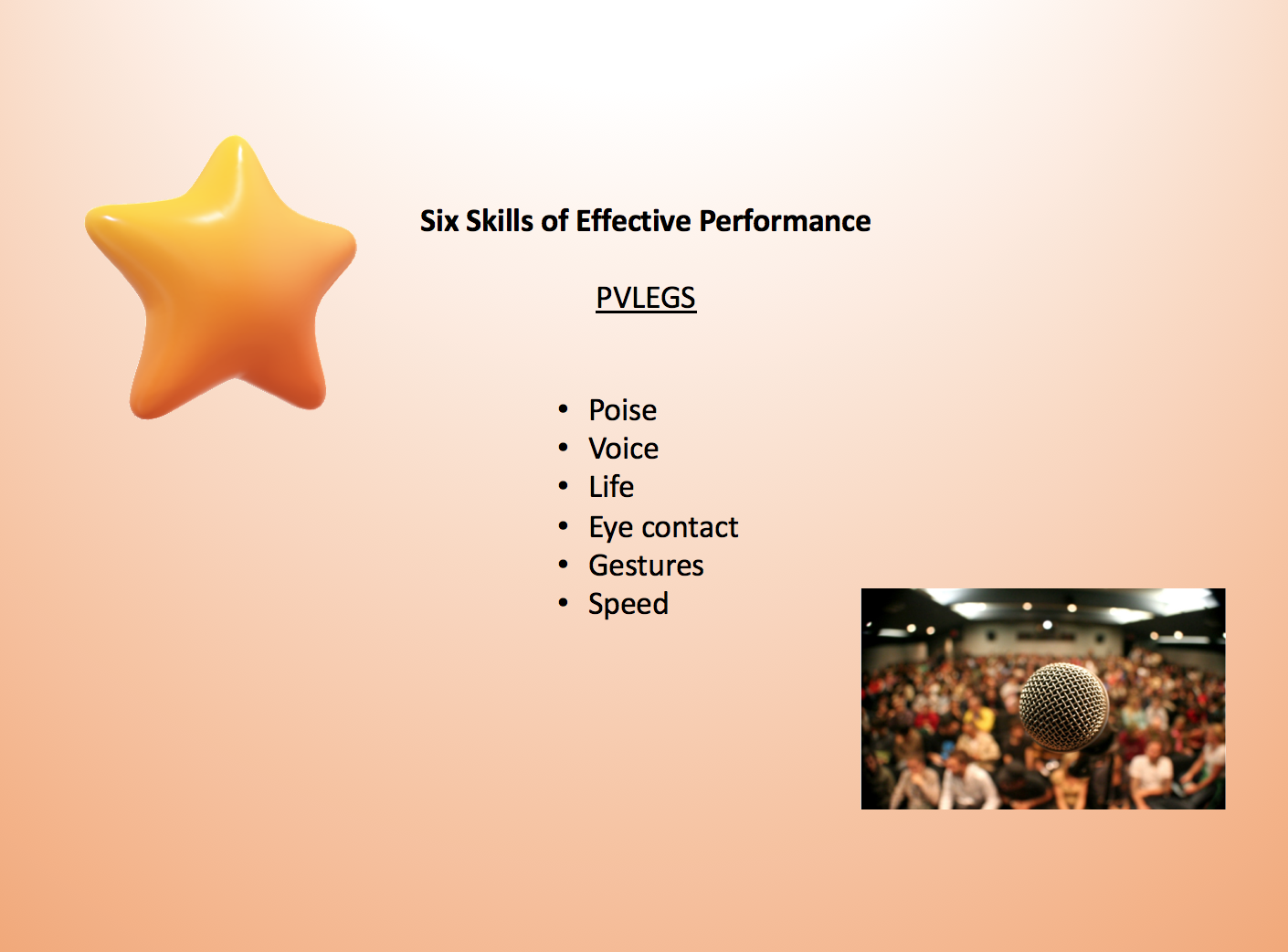
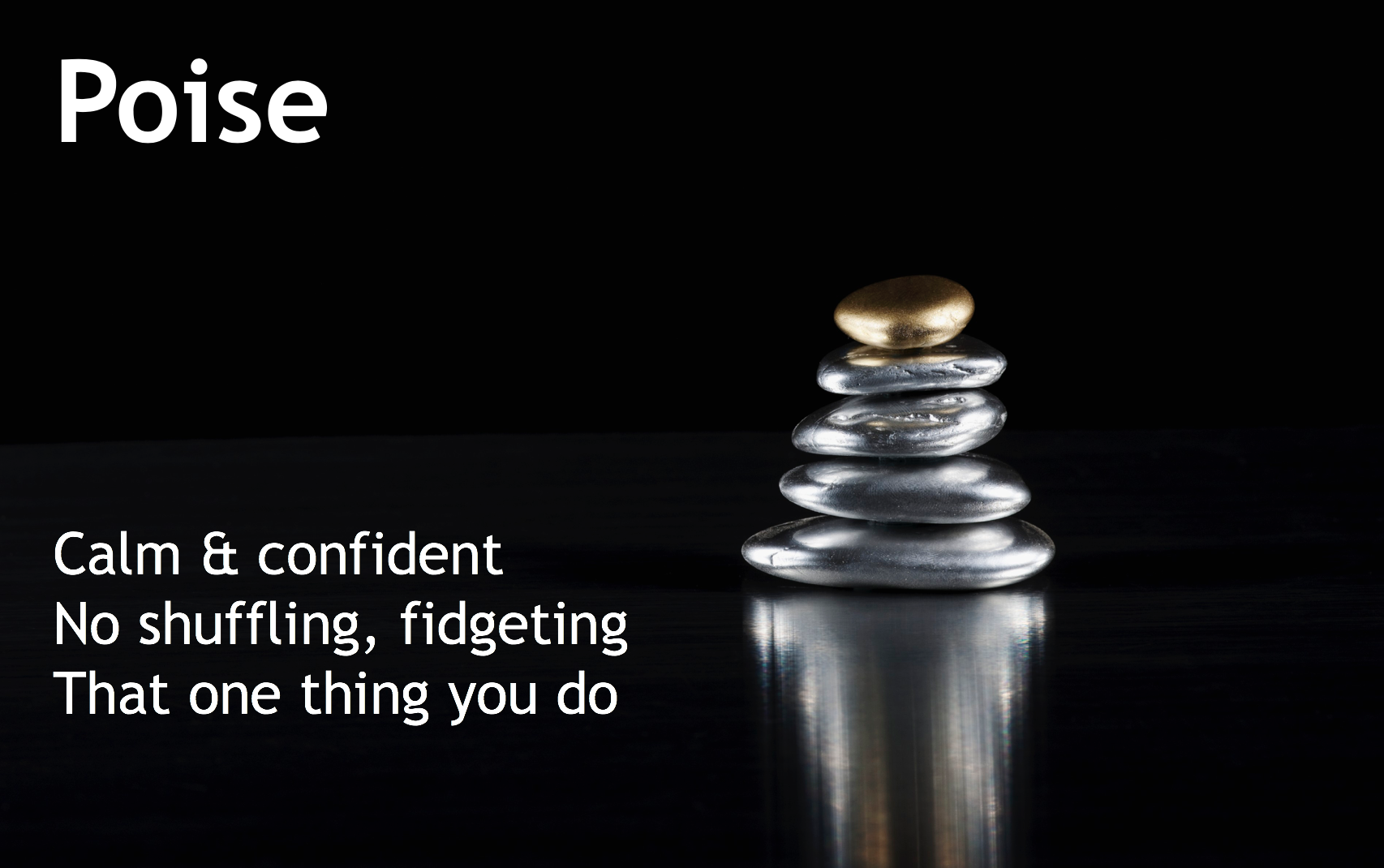
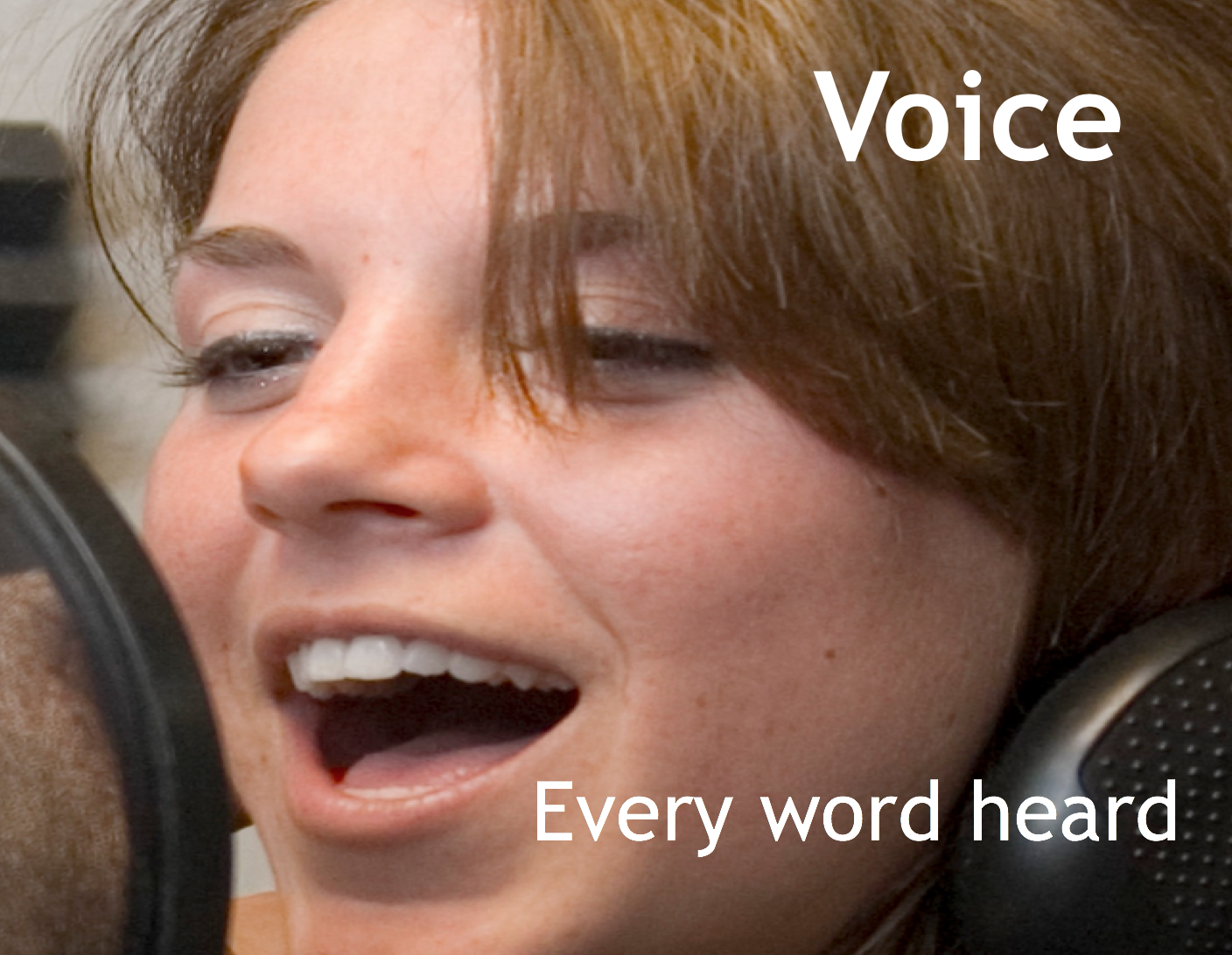
But once the talk or presentation has been created, AI is worthless. It’s the skill of the speaker that matters. What do good speakers do? They are poised and free of annoying tics that distract. They have voices that make every word easy to hear. They have lots of life in their voices so listeners can hear appropriate emotions. They make eye contact. They use their hands, face, and body to gesture to add emphasis to their words. The adjust pace for impact by speeding up to create excitement or slowing down for emphasis. [Adapted from Well Spoken: Teaching Speaking to All Students]

Do you have lessons to teach these skills? Likely not, yet they are all easily teachable. For example, if you want to teach adding life to a talk, post a phrase such as this:

            I can’t believe you did that.

Ask students to change the meaning by changing the life in the voice.

            I can’t believe you did that. (I thought someone else might but not you.)

            I can’t believe you did that. (I expected you to do something else.)

            I can’t believe you did that. (I’m upset with you.)

Students now see the value of adding life. Post a small speech where adding life will make an impact:

We were lost. The storm was raging, lightning was flashing all around us, thunder was crashing, and rain was coming down in buckets. My sister lost it.

“We’re doomed! We’re going to die out here! Help!”

Challenge students to say those words with feeling. Ask each speaker to raise the bar by adding even more than the last one. They begin to see how developing this skill is important for engagement…and fun.

Finally, ask students to add feeling to a talk like this one (generated with ChatGPT help):

There are health risks from vaping. Most vapes contain nicotine which is highly addictive. Vaping can affect brain development. It can cause lung inflammation. Vapor may contain formaldehyde, heavy metals, and other cancer-causing substances.

You know how students would read this before your lesson on life because you have heard many, many dull book reports and presentations of other types. But after this simple lesson, you’ll be amazed. Where would you add life to make these facts stand out?

Students don’t master adding life from one lesson just as they don’t master any other skill instantly. But now they are on the path to becoming interesting, dynamic speakers. There are lessons to teach all the other skills of performance, too. Your students will stand out during the discussion and doing the presentation, and, of course later in life, filming the interview or speaking at the staff meeting. AI can’t do that.

 https://www.routledge.com/Well-Spoken-Teaching-Speaking-to-All-Students/Palmer/p/book/9781032757575        

Posted in Uncategorized | Tagged , , , , | Leave a comment

Shortchanging Speaking

A student turns in this paper:

many people think that we should not have ginetticly modifyed foods we could be having health problems in the future if we eat them, Some studys say that they cause cancer. we should pass laws to stop this.

What do you do?

Options:

A)    Nothing. That’s just how kids write.

B)    Nothing. I want authentic writing, and I don’t want to devalue student voice.

C)    Teach some lessons to help improve the writing.

Most of us will choose option C. We won’t do everything at once. We might teach a lesson about capitalization and give practice with capitalizing the first word of a sentence. We might then teach a lesson about “changing the y to i” before adding an ending and give some practice activities. We might reteach sentence structure with lessons about run-ons and then give some practice activities to help students identify run-ons.

A student turns in this work:

1/4 + 1/5  =  2/9    and   2/3 + 2/7 = 4/10

What do you do?

A)    Nothing. That’s just how kids do math.

B)    Nothing. I want authentic work, and I don’t want to devalue student work.

C)    Teach some lessons to help improve adding fractions with unlike denominators.

Most of us will choose option C again. We will teach finding common multiples and give students lots of practice activities.

Two more examples: A 6th grader makes a book report podcast. An 11th grade student in your virtual class turns in this podcast: Composting

What do you do?

A)    Nothing. That’s just how kids speak.

B)    Nothing. I want authentic speaking, and I don’t want to devalue student voice.

C)    Teach some lessons to help improve speaking.

In my experience, most teachers choose option A. In the case of these recordings, the teachers posted them to YouTube for the world to hear even though they are clearly “rough draft” speaking. (I’m guessing it was so poor that you didn’t even listen to the end of either podcast.) I have had a few teachers choose option B, claiming that they don’t teach speaking because they value “authentic” speech, as if a child cannot be both well-spoken and authentic. I have found almost no teachers who teach specific lessons with guided practice about speaking skills. Here, teachers showed students how to hit record, how to add music, BUT NOT HOW TO SPEAK WELL.

We live in an age where speaking well matters. Digital tools showcase speaking: Zoom, Webex, podcasts, videos, Facetime, webinars, video conferences, and more. Unfortunately, many teachers fail to pay attention to poor speaking, fail to give needed lessons, and fail to give teaching oral communication the instruction time it deserves. Many teachers watch students speaking poorly and do nothing to help them. We watch kids suffer through the “About Me” talks they are forced to do at the start of the new school year and ignore the fact that most are unprepared as speakers. (“That’s just how kids speak.”) We make kids talk after the poetry unit and ignore the fact that most of the recitations are quiet poor. (“That’s just how kids speak.”) We have students do their biography/country presentations and ignore the fact that most listeners were not particularly engaged and two days later would be able to tell you almost nothing about the reports they heard. (“That’s just how kids speak.”) If you listen with new ears, it will be painfully obvious that we have shortchanged our students and failed to give them needed instruction about how to speak well.

Here is an example of the problem: https://youtu.be/KmnoAxptUsA How could the teacher that put this up on YouTube (with identifying information that I removed!) not have noticed that the kids in front of the green screen need help with basic speaking skills? How could he/she have thought that this was the best kids can do? Shame on you for selling these kids short and posting a video for the world to see that fails to show how well they are capable of speaking.

In the “composting” case, I would teach a lesson about Life, adding passion/feeling/emotion to make the talk more interesting, and I would offer practice with little phrases and little speeches so students can develop life. Then I would teach some lessons about Speed, adjusting pace to make a talk more interesting and effective. I would offer practice with some little speeches so students can learn to adjust speed well. See some ideas here: http://pvlegs.com/activities/. Do you see those kinds of lessons and practice activities in your school?

Here are 4th graders giving book talks after receiving instruction: https://youtu.be/WXn6-hs0fIc  Big difference between this and the green screen kids, isn’t there?

Sadly, speaking skills are an afterthought in most materials out there. There are few materials that specifically show teachers how to help students master oral communication, but there are some.

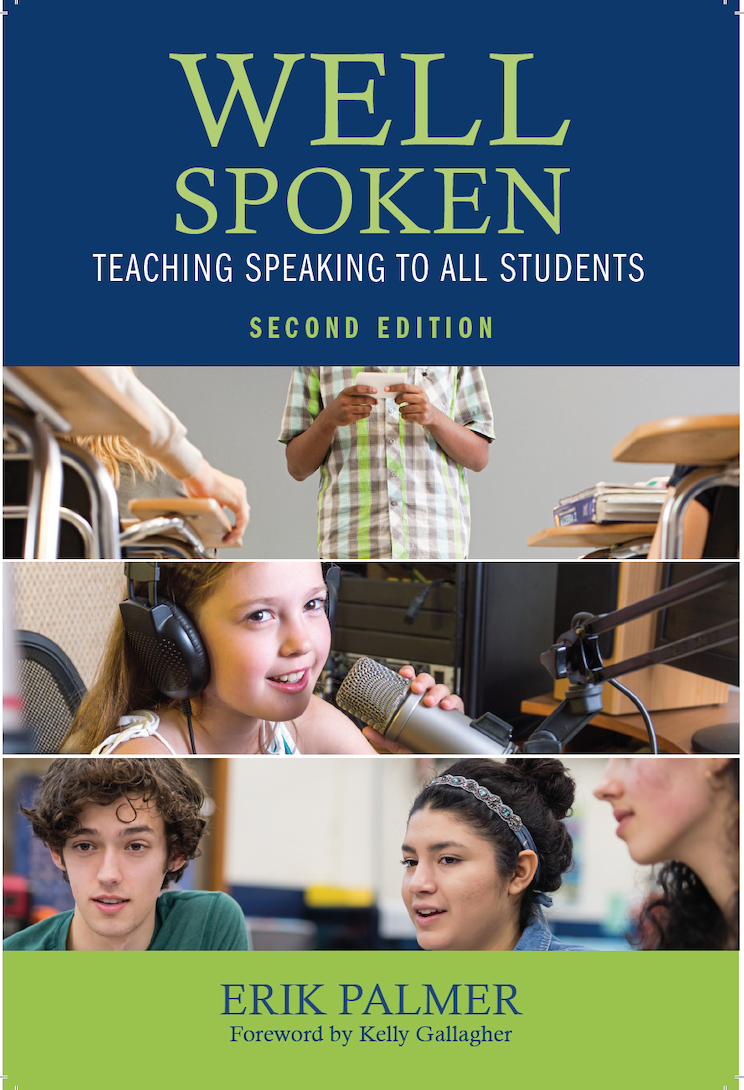
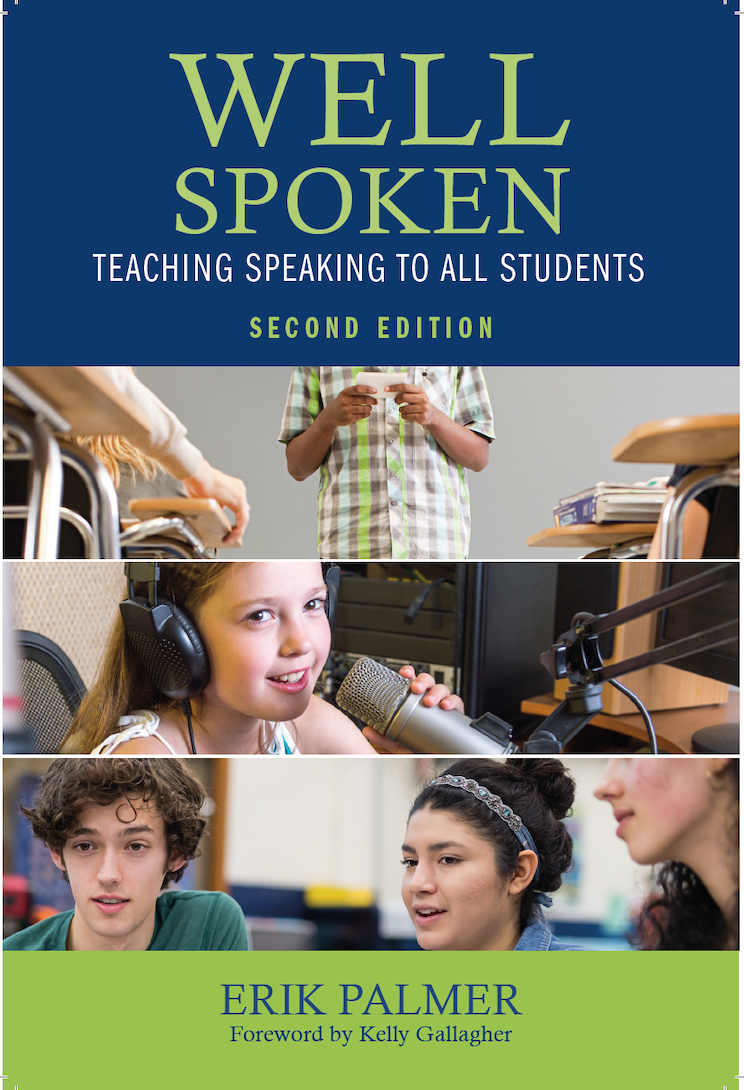
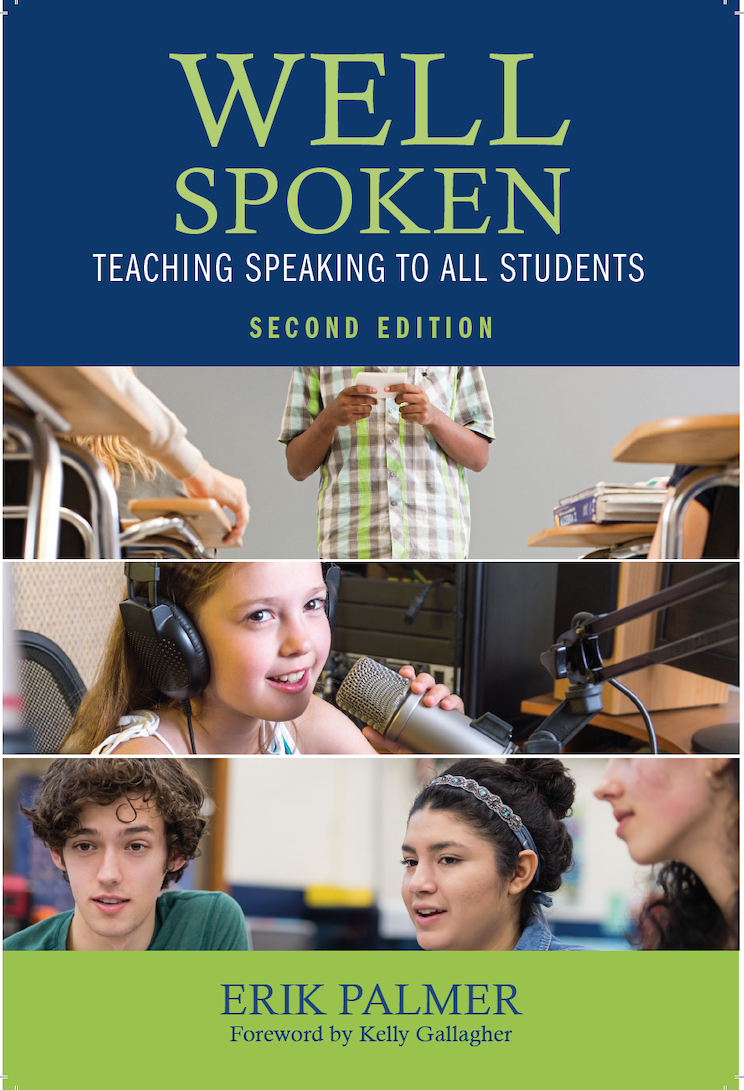
A book focused exclusively on teaching all students to speak well: https://www.routledge.com/Well-Spoken-Teaching-Speaking-to-All-Students/Palmer/p/book/9781032757575

A one-hour video: http://streaming.ascd.org/watch/view-all/5114243528001/listen-up-speaking-matters

A CD FREE FOR THE ASKING about how to approach speaking skills at the elementary level, the middle school level, and the high school level.

Listen Up

A book focused exclusively on explaining listening and speaking standards with lesson ideas and activities: goo.gl/4iJh1G 

An article about teaching speaking: https://acrobat.adobe.com/link/review?uri=urn%3Aaaid%3Ascds%3AUS%3A05aa8932-5668-453f-92ff-c520fa862912#pageNum=1

A website devoted to showing how to teach speaking: pvlegs.com

A short video with animated words about how to teach speaking: goo.gl/ven2jp

It is time to quit shortchanging our students. We have expected too little and have failed to give them needed help. Let’s help them with speaking the way we help them with writing, with math, and with all other subjects. They deserve a chance to be well-spoken.

Screen Shot 2024-05-21 at 9.24.47 AM

Posted in Speaking | 3 Comments

Never make a slide like this.

Screen Shot 2019-11-18 at 8.30.44 PM

Conference season. Lots of great educators will be sharing great ideas with attendees. Almost all of the presenters will be using dreadful slides copying the style of the horrible slides they have seen for the last 4o years or so. Let’s do better.

I show people how to be more effective oral communicators. Part of that job is to make the complex simple. What does it take to deliver a talk well? What are the essential skills? How can those skills be condensed into an understandable, practical guide for all speakers? I developed and teach the six keys to performing any type of talk. The slide above contains those keys. If I put this slide up at a workshop or showed it during a webinar, no one would think that the slide design is anything unusual. It looks like slides we see all the time. That’s sad because this slide is terrible. There is no nice way to say it. And yes, that means that almost all the slides you usually see are terrible. Are you going to be presenting somewhere this summer? Here’s how you can raise the bar and avoid creating dreadful slides.

Don’t bury the slide in words! Many people have made this point and fought to change the wordy/bullet point mindset, yet the message hasn’t caught on. If you are committed to complete sentences, write an article and hand it out. If for some reason you want your article in PowerPoint form, make slides such as this one and send us the PowerPoint. No audience wants to sit in a room and have presenters read at them. “Read along silently as I read aloud” is a terrible way to present.

Focus on your speaking, not your slide. Where did we get the idea that people come to presentations to read? Shouldn’t your presentation be you presenting? About your oral communication? Why are you there? If every word is on a slide, you are unnecessary. You have become redundant. If you want to make a point, take down the verbiage and talk to us.

Key words only. But let’s say you want key points presented visually. Your theory is that some people are visual learners and need to see something. Maybe, but they don’t need to see every word you say. They need key words. You are there for a reason. You are there to present, to talk, to explain. Don’t have slides doing your job. See the key word which in isolation is much more impactful–listen to me explain its importance. Cut the fat. This also makes it easier on the audience. They can instantly get to the meat of your talk.

Screen Shot 2019-11-18 at 8.45.02 PM

Never add meaningless art. Yes, PowerPoint makes it easy to add pictures. But do the pictures contribute to the message? Wait! There is this 3-D star thing that you can add and it rotates? Isn’t that awesome? No. It’s silly, distracting, and irrelevant.

Screen Shot 2019-11-18 at 8.54.40 PM

Think of people in the back of the room.Think about people viewing on a small screen on some device. Yes, it looked fine to you on your screen one foot from your face as you made it, but that is not how others will see it. Can everyone see everything on the slide without struggling? What font size is appropriate? Larger is better. Does the background make it more difficult to see what you want them to see? Yes, I know it is easy to add background designs but they are not necessary.

Screen Shot 2019-11-18 at 8.59.36 PM

Never use bullet points. Why bullet points? Totally unnecessary. THERE IS NO LAW THAT SAYS ALL SLIDES MUST HAVE BULLET POINTS! In no way is this slide improved because of the bullet points. In no way is it diminished if bullet points are removed. Audiences are sick of bullet points. Bullet points almost always indicate that there is too much on a slide, and if that isn’t the case, they are unnecessary.

Screen Shot 2019-11-18 at 9.00.42 PM

Use lots of slides. We aren’t wasting paper here. Don’t cram a lot of information and pictures onto one slide. It is better to spend one minute on each of ten slides then to spend ten minutes explaining everything on one overly crowded slide.

Use images in a better way. Break the habit of pasting little images in the corner of the slide. Make images the focus of the slide and choose images that amplify your message. I bought the images in the following slides from StockExchange, but many sites offer pictures for free (unsplash.com, for instance).

Screen Shot 2019-11-18 at 9.12.09 PM

Screen Shot 2019-11-18 at 9.12.22 PM

Screen Shot 2019-11-18 at 9.12.57 PM

I think you get the idea. It all starts by looking at slides with new eyes. What is normal is not what is good or desirable. Be the person that breaks the mold and raises the bar. Be a presenter, not a reading supervisor. https://erikpalmerconsulting.com/

Look at the slides in most slideshows with new eyes. Then vow to never make a slide like any of them. A slideshow of what to avoid: https://docs.google.com/presentation/d/1kMvtr_gp19KklYgluY_FuxIONeYsjgpdCmlQGSbRLjA/edit#slide=id.g231562bd312_0_6

Posted in Speaking | 2 Comments

Student Voice! You don’t have it if you don’t speak well.

voice

  1. The sound produced in a person’s larynx and uttered through the mouth, as speech or song. https://en.oxforddictionaries.com/definition/voice

Student voice. What a hot topic! I’ve seen educational conferences with themes such as “Raising Student Voice” (NCTE) and “Speak Up! Finding and Using Our Voices in a Noisy World” (NEATE), social media posts about how to increase student voice, and educational publications with articles about student voice. “Voice” is one of the most popular educational buzz words.

Unfortunately, every single one of the mentions of student voice ignores the first and most important meaning of voice: speaking. The conference with the theme “Speak Up”? Not one strand about oral communication. The “Raising Student Voice” conference had hundreds of sessions with exactly ONE session about how to improve students’ oral communication. Think about that. What an epic fail.

When you see the word voice used by educators, it might mean choice or options as in “give students voice instead of directing their learning.” Sometimes it means opinion as in “we need to value student voice and make them feel comfortable expressing their ideas.” Sometimes it means literary style as in “Hemingway has a unique voice in his writing, and we want students to develop their voice as well.” I’m not arguing with any of those: I think we should give students choices, we should value their opinions, and we should let them have their own style. But we should also give them the gift of being able to verbalize well because when you see the word voice used by everyone else on the planet, it means what you hear.

How can so many people talk about giving students voice without thinking about oral communication? That’s the original and most important voice! How do we declare what we want? How do we express our opinions? Overwhelmingly by speaking. We say things out loud. Often, that speaking is face-to-face, but increasingly digital media is used which expands the reach and importance of verbal communication. Tragically, students don’t speak well. You’ve noticed. Good speaking is not the norm for students. As much as we value writing, speaking is by far the number one way to have an impact.

“All kids can talk already.” “Speaking is not on the Big Test.” “I have never been trained about how to teach speaking skills.” “I have activities where I make students speak so I have this covered.”

All of these are good excuses for ignoring the direct instruction needed to give students real voice. But the truth is, it isn’t that hard to teach students how to speak well. Just as there are specific lessons to improve writing (punctuation, capitalization, word choice, sentence structure…) and to improve math (common denominator, order of operations…) and to improve reading (setting, metaphor, plot line…) there need to be specific lessons to improve speaking.

I’ll give you one example. The biggest weakness of almost all speakers is that their talks are dull. They speak in a lifeless way. You know that it is difficult to listen to the end of any student podcast. Lesson one: to demonstrate the importance of adding life to their voices, let students practice with phrases where the meaning can change depending on how it is said.

I don’t think you are dumb. (But everyone else does?)

I don’t think you are dumb. (You know I am?)

I don’t think you are dumb. (You think he is?)

Lesson two: Play this: https://www.youtube.com/watch?v=Ouic59Gv0x0 There is a visual of a voice with no life and a visual of a voice with life along with audio modeling the difference. You may have a hard time getting through the 81 seconds of the student’s talk, a great lesson in how weak speaking skills can kill listener interest.

Lesson three: Give a small practice speech where adding life makes a huge difference. Have different students speak encouraging each one to add lots of feeling.

One time, we had a squirrel in our house. When we opened the door to let our dog out, it ran right in. Everything got crazy! The squirrel was running all over! My mom was yelling, “Do something! Do something! Get that thing out of here.” My sister jumped on a chair and stood there crying her eyes out. My dad was chasing the squirrel with a broom from room to room.  “Open all the doors!” he yelled to me. “I did already!” I yelled back. Finally, it ran out. After a minute or so, my dad started laughing. “That was interesting,” he said with a chuckle.

All three of those combined might take 40 minutes of instructional time, and every student will learn one of the keys to effective speaking. Will all students master this? Of course not, just as not all master the skills of writing or math or drawing or anything. But all will get better, and all will understand how to communicate better. Many more resources are here: pvlegs.com

Also, see www.routledge.com/9781032757575

Screen Shot 2024-05-21 at 9.24.47 AM

Bottom line: do not ignore the most common and most important definition of voice. If you really want students to have voice, give them the gift of being well spoken. Visit www.pvlegs.com

Contact me at https://pvlegs.com/contact/ and I’ll send you a free book.

Posted in Speaking | Leave a comment

Why Student Presentations Bore Classmates

“In New Jersey v. TLO, the Supreme Court granted certiorari to consider the appropriateness of the application of the exclusionary rule.  The Court overturned the lower court ruling in a 7-2 decision and held that the search did not violate the Fourth Amendment.”

What does that mean?  I heard that during a student presentation about landmark Supreme Court cases.  I can’t challenge the accuracy of the statement because that is exactly what the Court did.  I can challenge the appropriateness of the statement for the listeners.  Most eighth graders are probably not familiar with “certiorari” (though if all students are researching Supreme Court cases, the listeners in that situation may be) and probably no eighth graders understand what the exclusionary rule is.  What we have here is an example of a student presenting information without any consideration of the audience.  It happens all the time in our classrooms.

Here is what happened in the situation above: the teacher gave each student a case to research; she gave them a date for an oral presentation; she required certain content (name of the case, decision of the case, law the case was based upon); and she gave them a score sheet that would be used to evaluate the presentation which included eye contact, time limit, and posture. In this case, the student got maximum marks.  He accomplished what was asked.  Unfortunately, the class got nothing from his presentation.  The teacher failed to require that the speech be designed for the audience, a common omission.

All oral communication must be designed for a particular audience.  This is true for one-on-one communication, small group communication, or large group communication.  It amazes me how often speakers miss this point and fail to analyze the audience.  I recall being called to a faculty meeting on Friday afternoon so someone from the district could introduce us to RTI with a PowerPoint presentation full of densely packed text.  Really?  Is that going to work with this audience at this time?   You have been to talks where the speaker failed to understand the audience, too: telling you things you already knew; using insider jargon audience members didn’t know; not noticing the mood of the listeners; and so on.  If adults can be so inept at designing a speech for a specific group, no wonder children fail as well.  Students need specific instruction about how to build a talk for an audience.

First, whenever an assignment is given that involves talking to an audience (this includes mock interviews, discussions, book chats, digital stories, podcasts—everything!), begin with an explicit caution to students to think about the audience and design the talk for them.

You may have read a book designed for boy readers, but our class has boys and girls.  How can you make the book talk interesting to all of us?

We will have an in-class discussion about whether or not we should ___________.  Come prepared to state your opinion and defend your position on the issue.  Think about what arguments will be persuasive to class members.

You researched your topic and know a lot about it.  We didn’t research it and our class may not know many of the terms you are now familiar with.  How can you explain to our age group the important things we need to know?

Ideally, at some point the audience will change.  Perhaps students will present to another grade level or to parents.  This creates a great opportunity to broaden the discussion and analyze disparate audiences.

Second, make sure students know they will be judged in part based on how well they communicated with the audience.  The audience must be involved in scoring this part.  Way too often, students speak at the teacher only.  They know he or she is the only one whose opinion counts.  This is misguided.  A speech is for an audience and only by asking the audience will we know if the speech was effective.

Let’s score Spencer’s speech.  Did you think he did a good job of designing his talk for you?  Did he make everything understandable?  Did he keep you interested?  We use a 1 to 5 scale, remember, with 5 being perfect.  Raise your hand if you give Spencer a five?  A four?  A three?  Hmm, seems like most people gave you a three, which is good but which could be better.  What did you think he could do better next time, class?  (Discuss)

It does not damage students to have their performance scored if the teacher creates the proper atmosphere. (Of course, we don’t all get perfect marks, we are just beginning to master the difficult job of presenting…)  It does damage students to fail to teach them that what the audience thinks matters.

Third, teach students how to connect with the audience.  A good talk becomes a great talk if specific statements are added that let the audience know the talk was designed just for them.  The speaker must take his topic and connect it to the lives of the listeners.  In the eighth grade class mentioned above, this would be a connector:

How many of you have cell phones?  Would you be OK with the principal taking your phone and looking at your text messages?  My case, New Jersey v. TLO, is about a principal searching a student’s stuff, too, and like you, she wasn’t happy about it.

Now, some old Supreme Court case is much more interesting to the class.

Students (and adults!) need to do a better job of making sure they design their words for their listeners.  That means that we have to do a better job of letting them know how to do so. https://erikpalmerconsulting.com/

Posted in Speaking | Leave a comment

Don’t hit record yet! Don’t make that podcast! Don’t turn on the Zoom mic! Do this first…

Screen Shot 2024-12-08 at 9.16.28 AM

Fourth graders are learning about the Reconstruction. The teacher wants to test out his new green screen tools. He has students speak and posts the video on YouTube. A huge problem: he is so focused on the tech tool that he fails to notice that the students do not know how to speak well. Check out what he posted for the world to see (I removed his identifying information because posting a rough draft is not kind to students): 4th graders Do you really believe that that is the best these kids can do?

Sixth graders are told to make podcast book reports. The teacher showed them how to record and how to add music. He didn’t show them how to speak well. The result? This. So much less than this poor boy is capable of, but no one in six years of schooling gave him specific lessons about how to speak well.

A high school teacher has her class interested in school reform. She has students generate ideas about how to improve schools. She creates a video and puts it on YouTube. The intention is great; the message may be provocative and needed; and the students use appropriate digital tools available to create a message for a real audience.  One huge problem: no one taught the students how to speak well. Watch the students in the YouTube video she posted.  Again, I took clips of the students from the video and took out all identifying information.

Another high school teacher has students record podcasts about historical events. I love the idea. Podcasts showcase oral communication for a real audience. But you need to have something worth showcasing. Do you want to listen to all of this podcast: https://youtu.be/Ouic59Gv0x0? This is the best that students can do after 11 years of speaking in our classes? All of the speaking that happens in all of those years of speaking leads to this?

Yes, because we made kids talk but we never taught them how to talk well.

I feel bad about criticizing these students, but the truth is that not one of them is close to impressive. I apologize for being rough but you know it is true. This is tragic. Here is the part that is hard to hear: it is our fault as teachers that students have such poor speaking skills.

I guarantee you that each of these students has spoken often in the years of schooling they have had. Many talks were informal: answering and asking questions, solving problems at the board, commenting in discussions, and such. Many were formal. How many book reports do you suppose a child has given? How many research reports presented? How many poetry recitations? How many lab results explained? How many times explaining a travel brochure on the Central American country they were assigned? Would you guess that at least ten times, each child had to get up in front of a class at some point and speak for 3 to 5 minutes? Would you believe twenty times? More? In other words, it isn’t that they have never done this. It is that no one ever taught them to do it well.

You know that while students have had lessons and worksheets on capital letters, for example, they never had a lesson or practice phrases to help them understand descriptive hand gestures. Lessons on topic sentences? Common. Lessons on adjusting speed for effect? Extremely uncommon. ReadWriteThink.org posted a unit on radio broadcasts, a verbal medium, that had absolutely no mention of speaking skills and no lessons about how to speak well before recording. In short, they missed the entire point of radio. (https://www.readwritethink.org/classroom-resources/lesson-plans/audio-broadcasts-podcasts-oral#ResourceTabs4) Without specific instruction, students will just make more un-listenable recordings.

In remote learning where all talk is online, the problem increases. Zoom. Podcasts. Videos. Digital presentations with various tools. How many impressive speakers do you see?

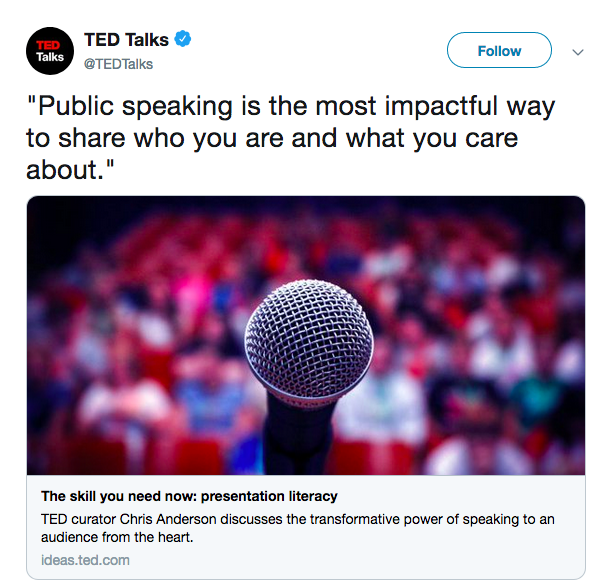
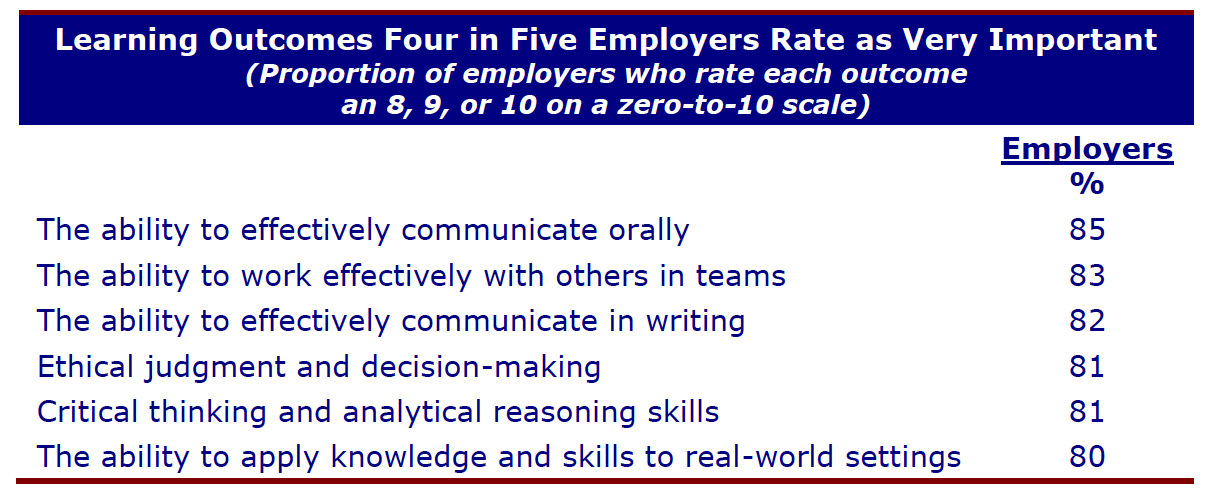
Here is the reality: speaking well matters in life. No matter what profession someone enters, the person who speaks well will be more successful than the person who speaks less well. As 21st century communication tools put oral communication on display, verbal skills are critical. Podcasts, Skype (now being used by employers for intake interviews), videos (like the one I am critiquing here), digital stories, and video conferences demand strong oral communication skill. Look at skills employers want.

Verbal communication is at the top of the list of skills most desired for prospective employees. Which of those speakers do you think would impress the HR committee?

Some kids get pretty good on their own. In my experience, about 10% of students speak pretty well. But if only 10% of your students pass your test, I am going to blame you. You didn’t teach that subject matter well. I have to suggest that teachers have failed these students by not teaching speaking well. Actually, they didn’t teach it at all. Just as the RWT teacher didn’t. This will no doubt be a very unpopular blog: criticizing well-meaning kids and blaming teachers? We have a great excuse: we have been focused on big tests and have been forced to ignore the most important language art. But with the communication tools available today, that omission is becoming more serious.

One more video. These fourth graders were given specific instruction about how to speak well in the weeks leading up to the book reports. Watch them here. You notice the difference right away, don’t you?  You, too, can give students help.

Screen Shot 2024-05-21 at 9.24.47 AM

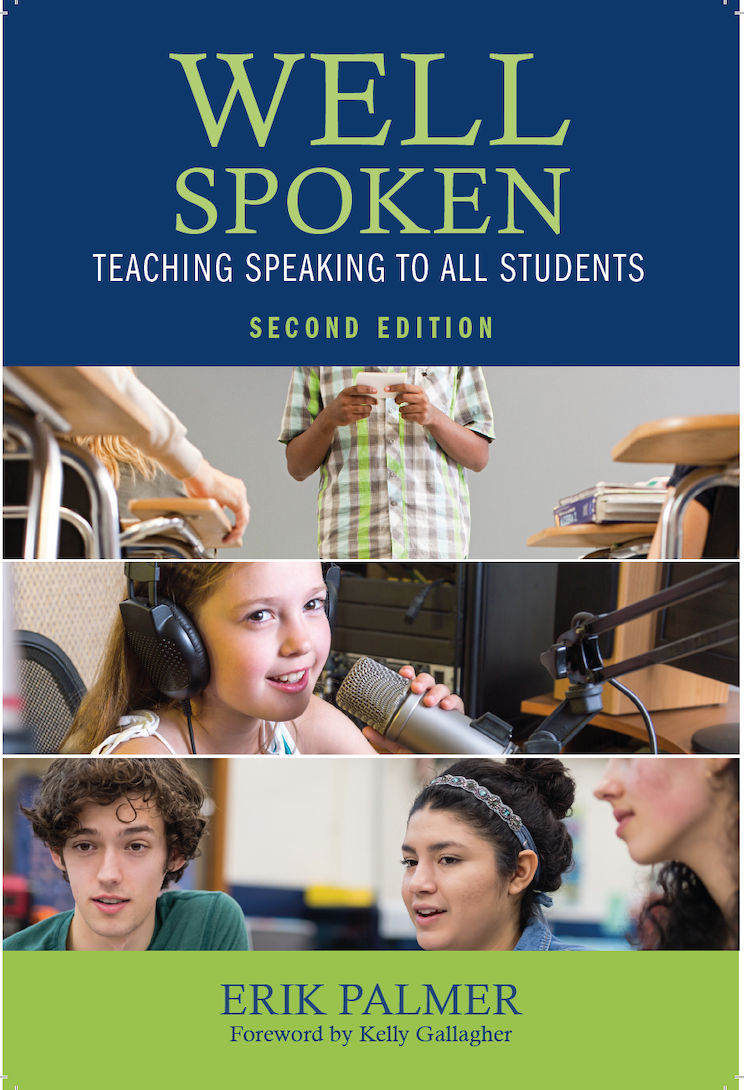
Teach students to build a powerful message and how to deliver that message well using this book: Well Spoken.

I believe in these kids. I know that each one of them is capable of impressing us given proper instruction. I know that we have accepted too little for too long. Don’t hit record until you teach them to be well spoken.

Posted in Remote Learning, Speaking | Leave a comment

Mind the Gap: How We Make Kids Hate Speaking

“How do you teach speaking?”

I ask that questions when I do workshops about the #1 language art. Inevitably, teachers respond by telling me about an assignment they give.

We do biography presentations. Students spend three weeks reading about some historical figure and, at the end, they dress up like the character and give a three- to five-minute talk.

Students make an About Me podcast. They use GarageBand to make a four-minute podcast about themselves with sound and music included.

I assign Brown Bag speeches. Students bring in a grocery bag with items inside that represent who they are. A child might have a small soccer ball and talk about her soccer team, and so on.

All of these are nice assignments. All of them force kids to speak. None of them explain how they teach speaking. MAKING STUDENTS TALK IS NOT THE SAME AS TEACHING THEM HOW TO TALK WELL. That’s where the gap is. More like a chasm, actually. Assigning kids the job of getting in front of people and speaking is cruel if we don’t teach them how to pull it off.

Imagine I told you that you were going to be graded on making an elaborate origami swan. One or two of you may know how to do that, but the vast majority would be quite upset. “Are you going to show me how to make a swan?” “Nope. Oh, and next Tuesday is when I will grade you.” You’d hate that assignment, right? How horribly unfair to expect you to do something that you were never shown how to do. But we put students in that position all the time. We make them recite poems, give book reports, read aloud, share research projects, make podcasts, and so much more without even one lesson about the pieces of effective speaking. Students fear of public speaking comes from being made time and time again to do something they don’t know how to do. And being made to demonstrate that lack of skill in front of an audience or on camera? Horribly rude.

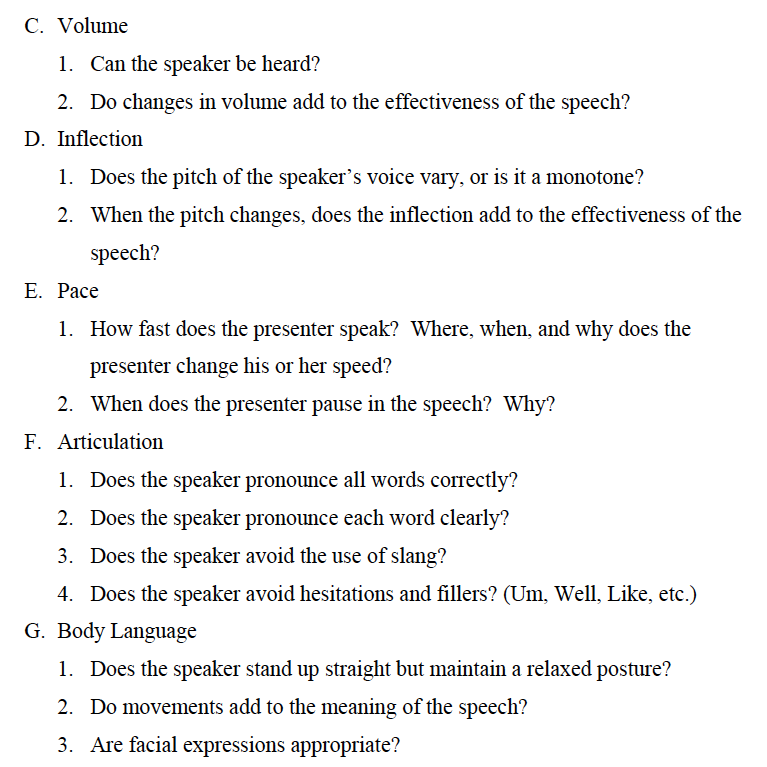
Teachers grade students on skills they were never taught. It is so common to see scoresheets like this piece of one from ReadWriteThink. (Side note: Hey, ReadWriteThink, why did you forget the most important language art? Why not ReadWriteSpeakThink?)

Did you have lessons about how to change volume to improve effectiveness? Any activities where kids could practice that? Any lessons about pace? Any practice activities and assignments that let students work on adjusting speed? Any exercises to work on effective pausing? And how did you teach “appropriate” facial expressions? Were there lessons about what is appropriate and what isn’t? Practice activities and perhaps video recording tools so they could see themselves and work on the skills you taught? You’ll see many other skills in there that are being assessed, and you know as well as I do that none of them are specifically taught. It would be so very rude to score students on something not taught, wouldn’t it? (Another side note: avoiding the use of slang is a terrible idea. Slang may well be exactly what is needed in many situations.)

To say that all kids already know how to talk is a cheap dodge. All people already know how to fold paper, too. But there is big gap between talking and talking well just as there is a big gap between folding paper and creating a paper swan. Just as all students can improve as writers with specific lessons, all students—yes, all students—can improve as speakers with specific lessons. You can get some ideas here: https://pvlegs.com/activities/ .

Teachers often say that they are helping students get more comfortable as speakers by giving them lots of opportunities to present. Nonsense. We help students get comfortable as speakers by breaking the art of effective oral communication into teachable pieces and giving lessons about and practice with each piece. (I’ve written about some of the pieces of good speaking here: https://pvlegs.wordpress.com/2018/12/16/100-english-teachers-walk-into-a-bar/.

We have to mind the gap. The space between what we do in making them present and teaching the skills needed to be well spoken is enormous. It’s time to quit making kids hate speaking. Give all students the gift of effective oral communication skills and all of them will become more confident, competent speakers. https://erikpalmerconsulting.com/

Ask how to get this book for free: Screen Shot 2024-05-21 at 9.24.47 AM

Posted in Speaking | Leave a comment

Fake Quotes: A lesson in how easily we can be duped

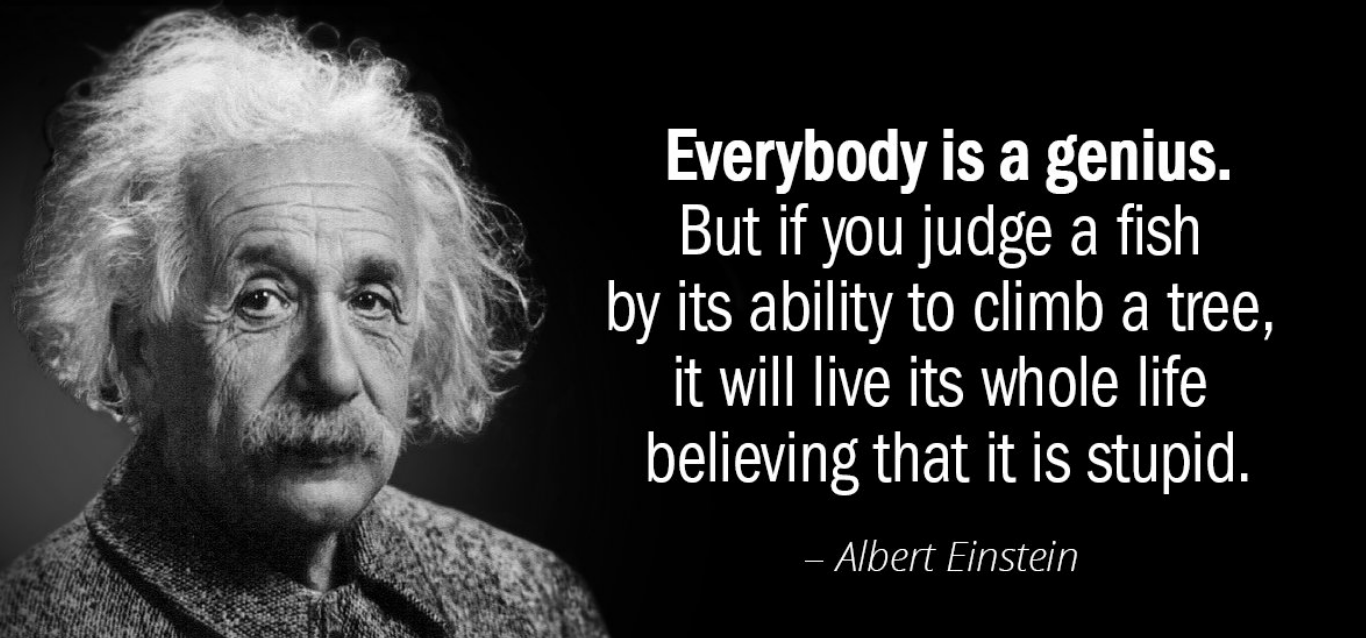
We all see the news: trolls are posting fake stories. Russian bots are spreading falsehoods. We all think, “That’s terrible!” We worry that our children will be duped. Why do these lies spread? Why do fake posts work? The answer to that can be found by taking a look at a very common practice on social media, posting/liking/retweeting nicely decorated quotes from famous people. You’ve seen this quote:

Everyone is a genius. But if you judge a fish by its ability to climb a tree, it will live its whole life believing that it is stupid.  Albert Einstein

Einstein never said any such thing. There are hundreds of nicely decorated versions of this available with a simple web search and even some classroom posters. All lies.

On Twitter I saw:

Tell me and I forget. Teach me and I remember. Involve me and I learn.  Ben Franklin

Ben Franklin never said that. Total falsehood.

Here are four fun ones:

Which version is correct? None of them. They are all lies.

This drives me crazy. Intelligent people. Educators. Folks with degrees. All of these people get upset when they hear that Facebook and X are being used by troll farms putting out falsehoods that end up being widely shared, yet they are guilty of forwarding falsehoods themselves.

I think I know how these fakes get created. Someone somewhere thought, “These are nice words, but no one will read them unless I say a famous person said them. How about Steve Jobs? Ben Franklin? Wait, no! This has the word ‘genius’ in it, and when I hear the word genius, I think of Einstein! I’ll say that Einstein said it!” And I understand why re-posting and retweeting happen: the post includes some nice sentiments or an inspirational message, and we want to share them. We end up spreading lies.

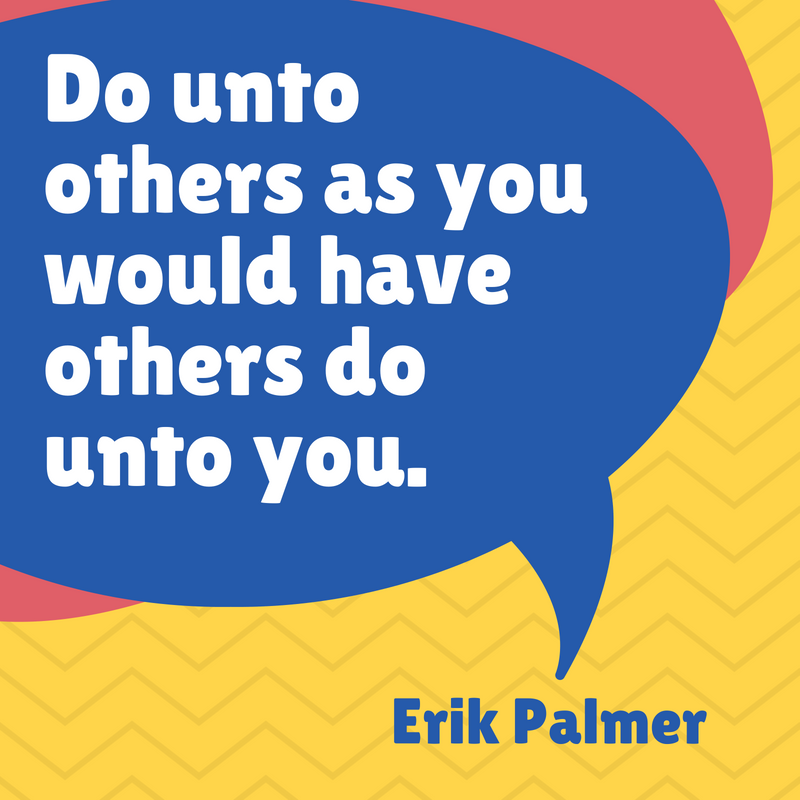
Don’t be so harsh, right? The message was super nice so don’t be picky. So Franklin or Roosevelt didn’t say it. Big deal. The point is that the words are inspiring! With that kind of thinking, you can see how troll farms succeed. Put out a message people like, and it will be shared whether true or false. Maybe the post includes something Donald Trump never said or Kamala Harris never said, but so what? I like the post! It reinforces what I already believe so I’ll re-post it. Be aware that it is very easy to create attractive but fake messages. Rather than take non-famous words and attribute them to famous people, I used Canva (https://www.canva.com/) to create a poster taking famous words and attributing them to me. The message is wonderful, right? Feel free to share it!

We need to model the behavior we want our students to emulate. We can’t mindlessly accept and perpetuate what we like online. Be suspicious. Think critically. Sometimes the red flags are obvious.

Sometimes it is trickier to detect fakes. You have to know about Ben Franklin’s writing to know the words above are not his style. You have to think that while the world thinks Einstein is a genius, he didn’t hold himself out to be a genius or a commentator on genius. Verify. Use Snopes, a fact-checking site (https://www.snopes.com/). Use Google. On the search line I typed, “Did Einstein ever say everyone is a genius” and got many results verifying that he didn’t including this one: https://www.history.com/news/here-are-6-things-albert-einstein-never-said. Look for the source: “In a speech to Congress on April 9th, 1943, Franklin Roosevelt said…” or “On page 78 of The Analects Confucius said…” and so on. If you can’t verify the source, don’t post it. “But it is all over the Internet!” is not a source.

This is all effortful, but necessary. Make it part of your behavior to think critically and never mindlessly accept or repost anything. To stop the falsehoods online, we need to cure ourselves first. https://erikpalmerconsulting.com/

Posted in Media Literacy | Leave a comment